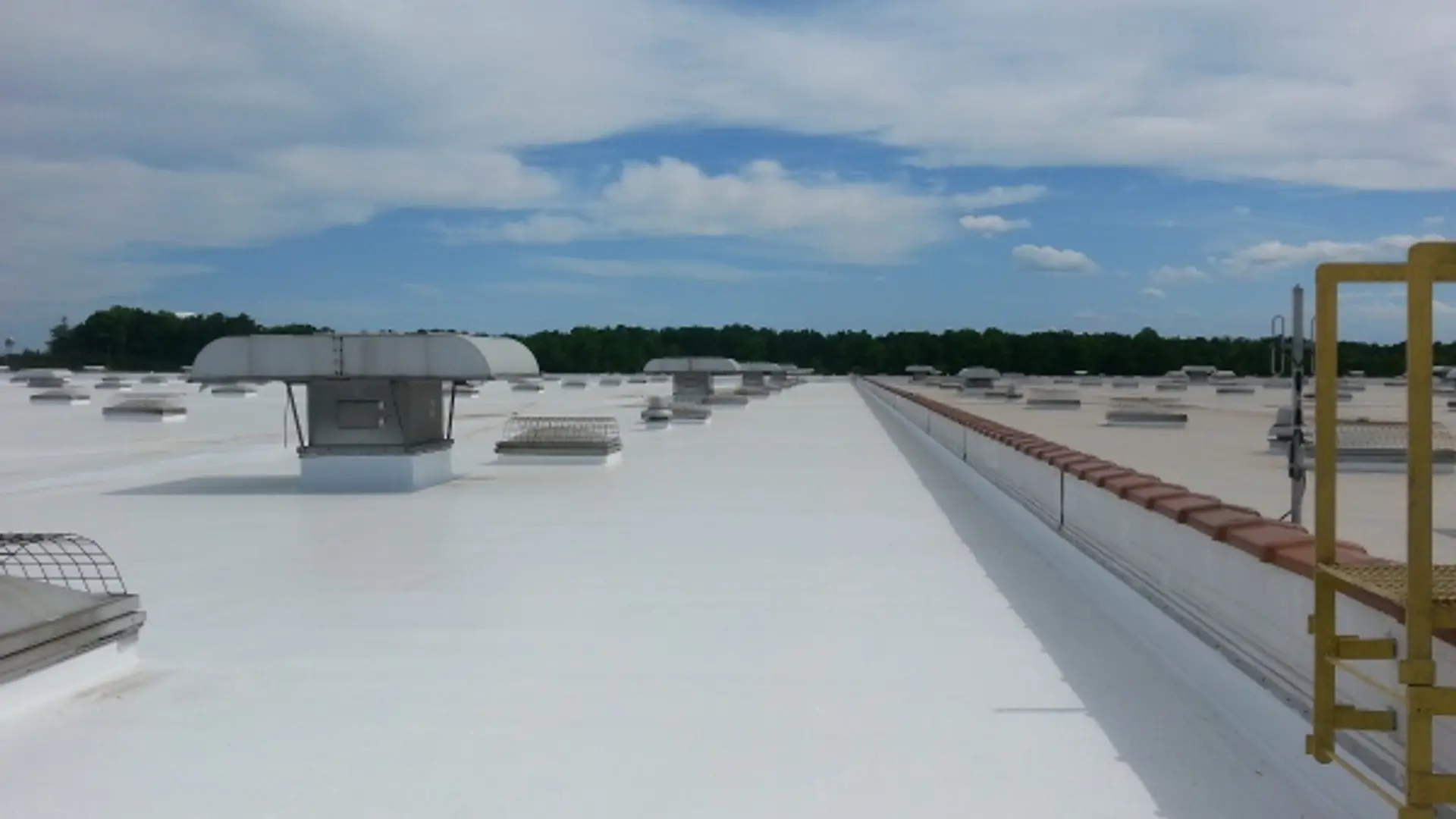
01 / field guideBegin research with the existing assembly
Useful roofing research starts by identifying what is already on the building. A TPO membrane, modified system, exposed-fastener metal roof or prior coating has different repair materials and qualification requirements. The deck, insulation, attachment, slope, drainage and rooftop equipment also shape the decision even when an article focuses on one visible product.
Readers should keep a short building record while researching. Note the roof's approximate age, known repairs, leak locations, warranty documents and major equipment changes. Separate facts from estimates. That record makes later conversations more efficient and reduces the chance that a broad online description will be mistaken for proof of the building's actual construction.
02 / field guideInterpret symptoms without assuming the cause
Interior water, open seams, loose fasteners, ponding or surface wear can signal a problem, but no single symptom establishes the full failure path. Water can travel before it appears indoors, and condensation or equipment can imitate a roof leak. Safe exterior and interior documentation helps a professional connect the symptom with surrounding field conditions.
An article can explain why drainage, flashings, penetrations and moisture matter, but it cannot confirm the responsible component from a description alone. Commercial staff should avoid climbing onto wet, damaged or unfamiliar roofs. Record the date, location and operating conditions, protect people and contents where safe, and route urgent water entry through the appropriate office line.
03 / field guideCompare lifecycle paths with consistent questions
Repair, restoration and replacement should be compared against the same building objective. Ask what defect the scope corrects, what wet material is included, how details and drainage are treated, and which conditions could produce a change. Also compare disruption, maintenance, closeout records and the expected ownership horizon rather than focusing only on an opening price.
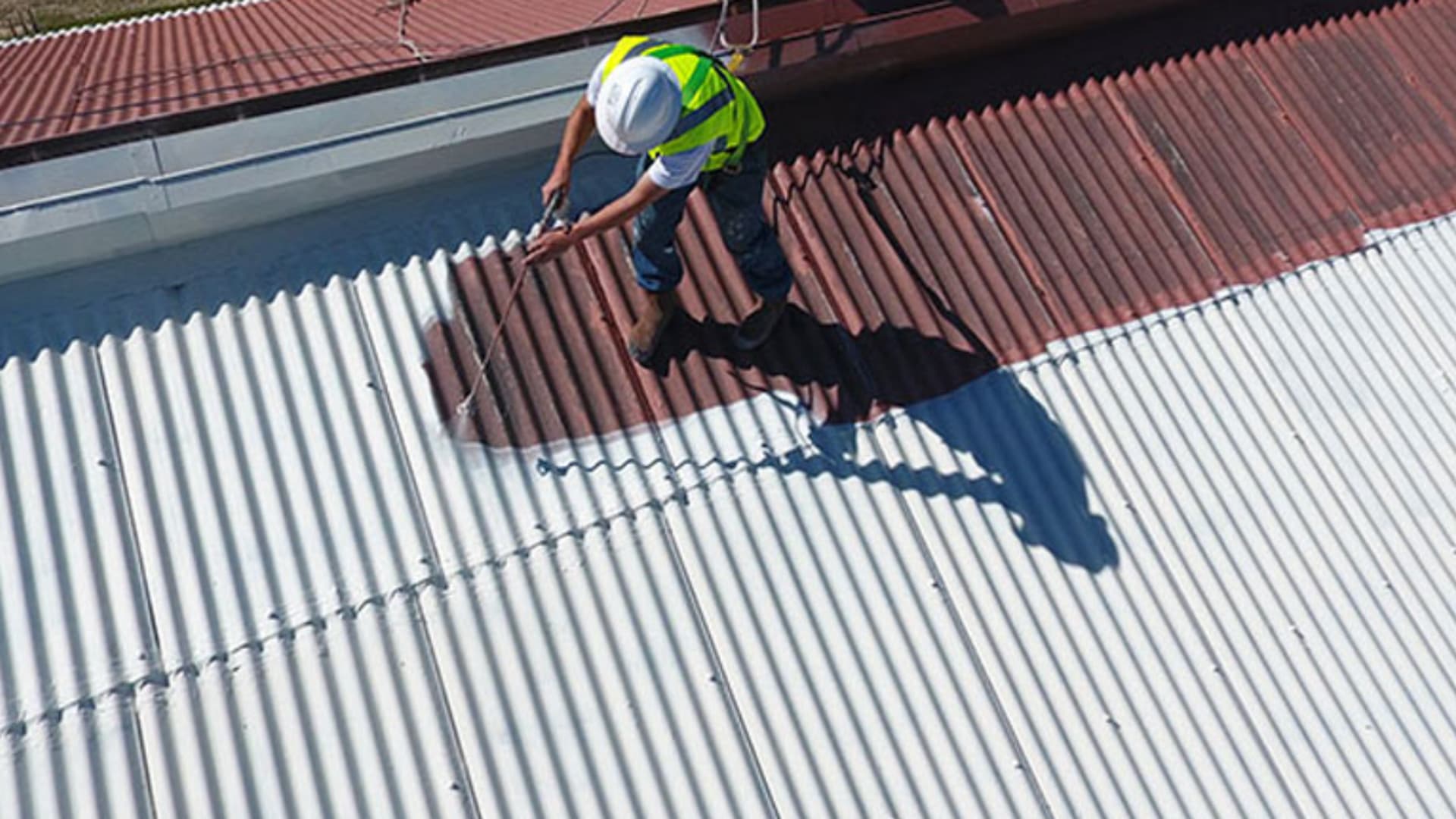
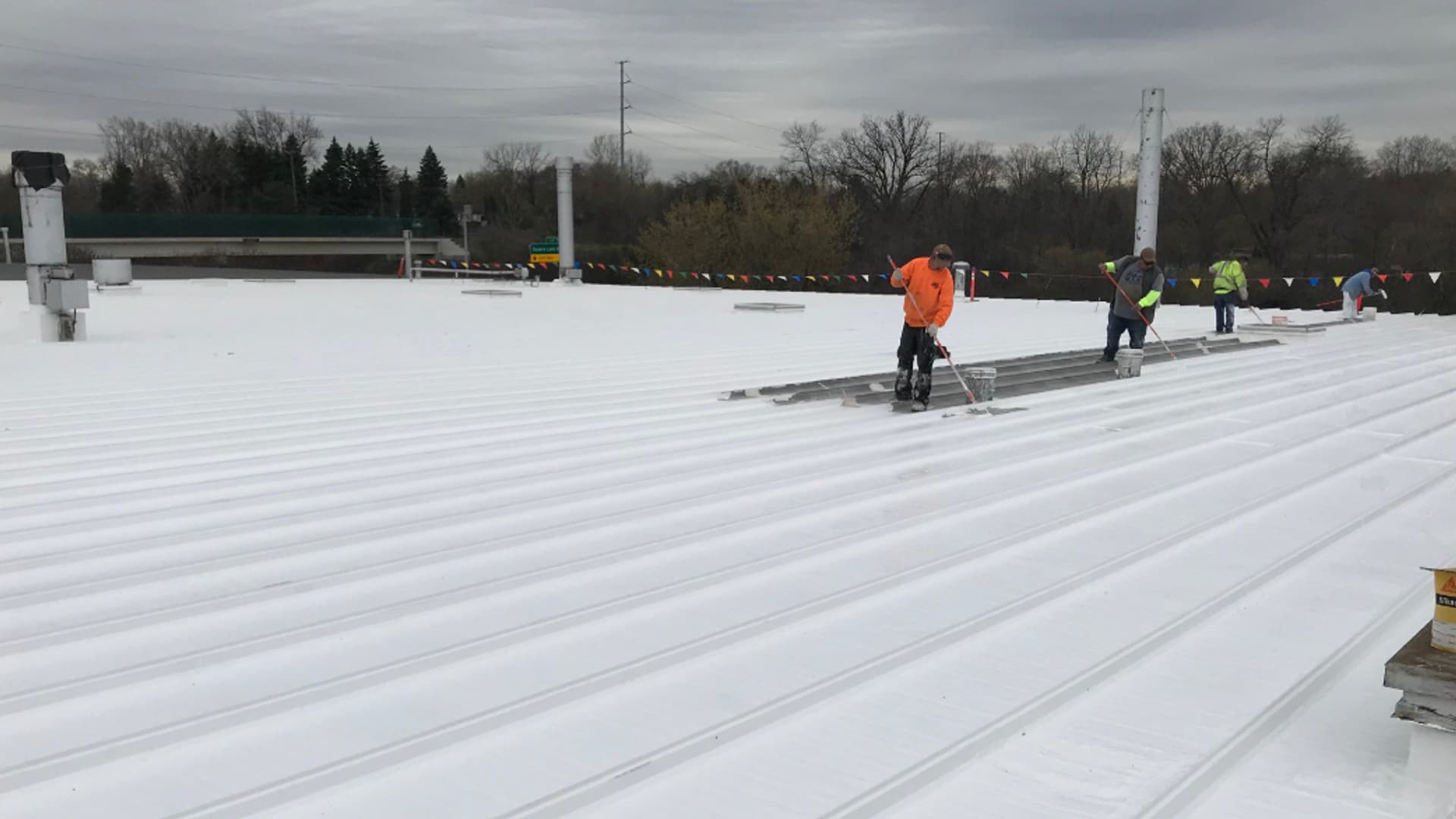
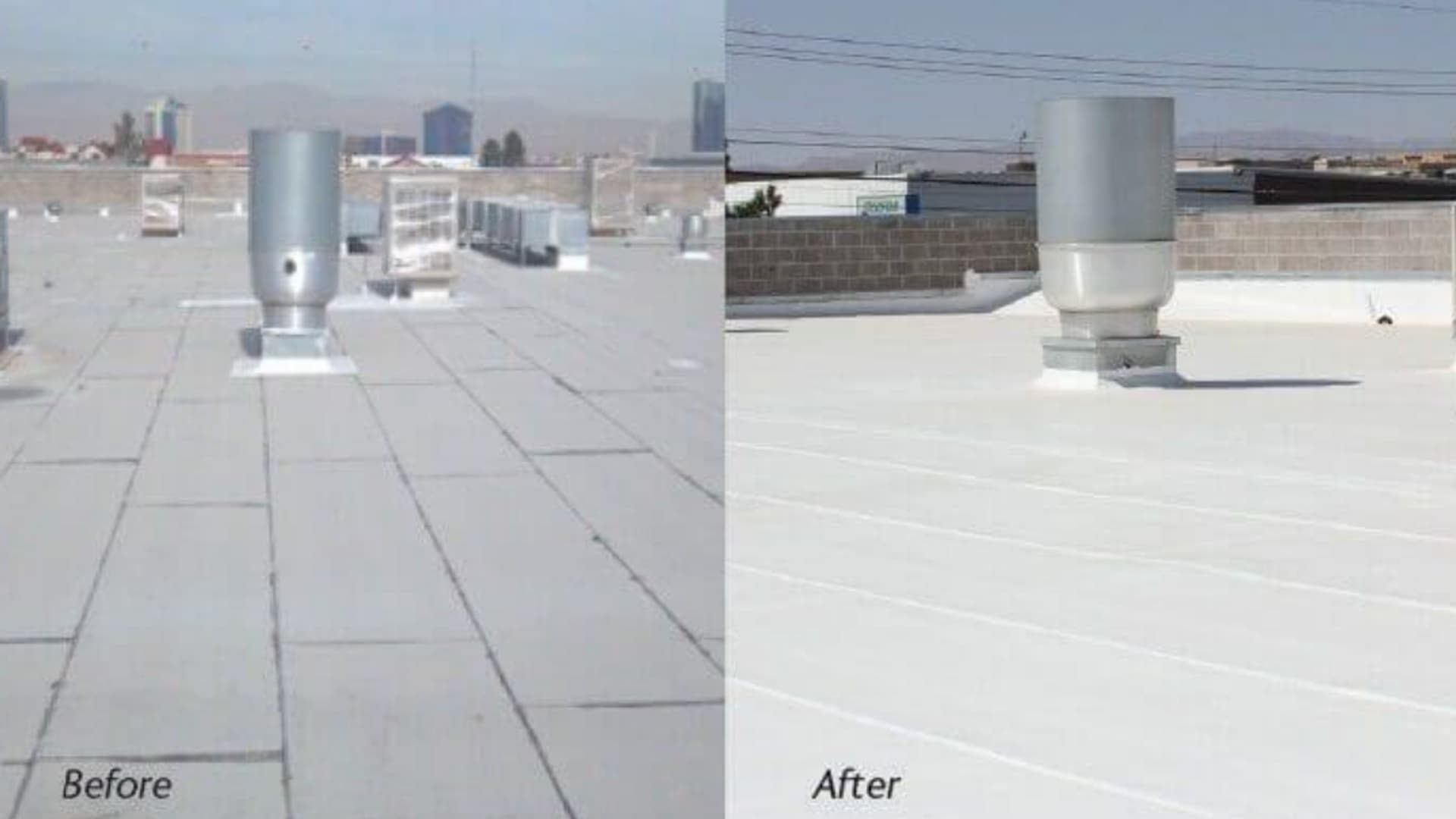
Silicone articles should be read as qualification guides, not universal recommendations. Candidate roofs still require review of moisture, substrate compatibility, adhesion, repairs, drainage and manufacturer criteria. A lower-capital restoration path can be valuable on the right assembly, while a roof with widespread moisture or failed structural components may need a different solution.
04 / field guideConnect regional guidance to the exact address
Texas and Oklahoma weather can affect roof exposure, inspection priorities and production planning. Heat, wind, hail, intense rain and temperature movement do not affect every system in the same way. Regional guidance helps a reader prepare questions, but the assembly, elevation, surroundings, drainage and maintenance history determine how those conditions matter at a specific building.
Accurate documents direct commercial operations in East Texas and the Grove and Grand Lake area of Oklahoma. Research pages may answer broader market questions without claiming a local office or guaranteed coverage. Send the exact address and system information when moving from education to action so service availability and the appropriate evaluation path can be confirmed.
05 / field guideUse an article to prepare a better project record
Before requesting a proposal, collect the roof age and system when known, prior repair invoices, warranty records, interior leak locations, photographs, equipment changes and the building's operating constraints. A guide can help organize those facts and identify missing questions. It cannot convert incomplete records into a confirmed roof condition or remove the need for appropriate field verification.
After an evaluation, compare the written findings with the questions that brought you to the library. The useful outcome is a traceable decision: what was observed, which path was recommended, what alternatives were considered and what could change the scope. That record makes technical content actionable without turning education into a diagnosis or an unsupported product claim.