
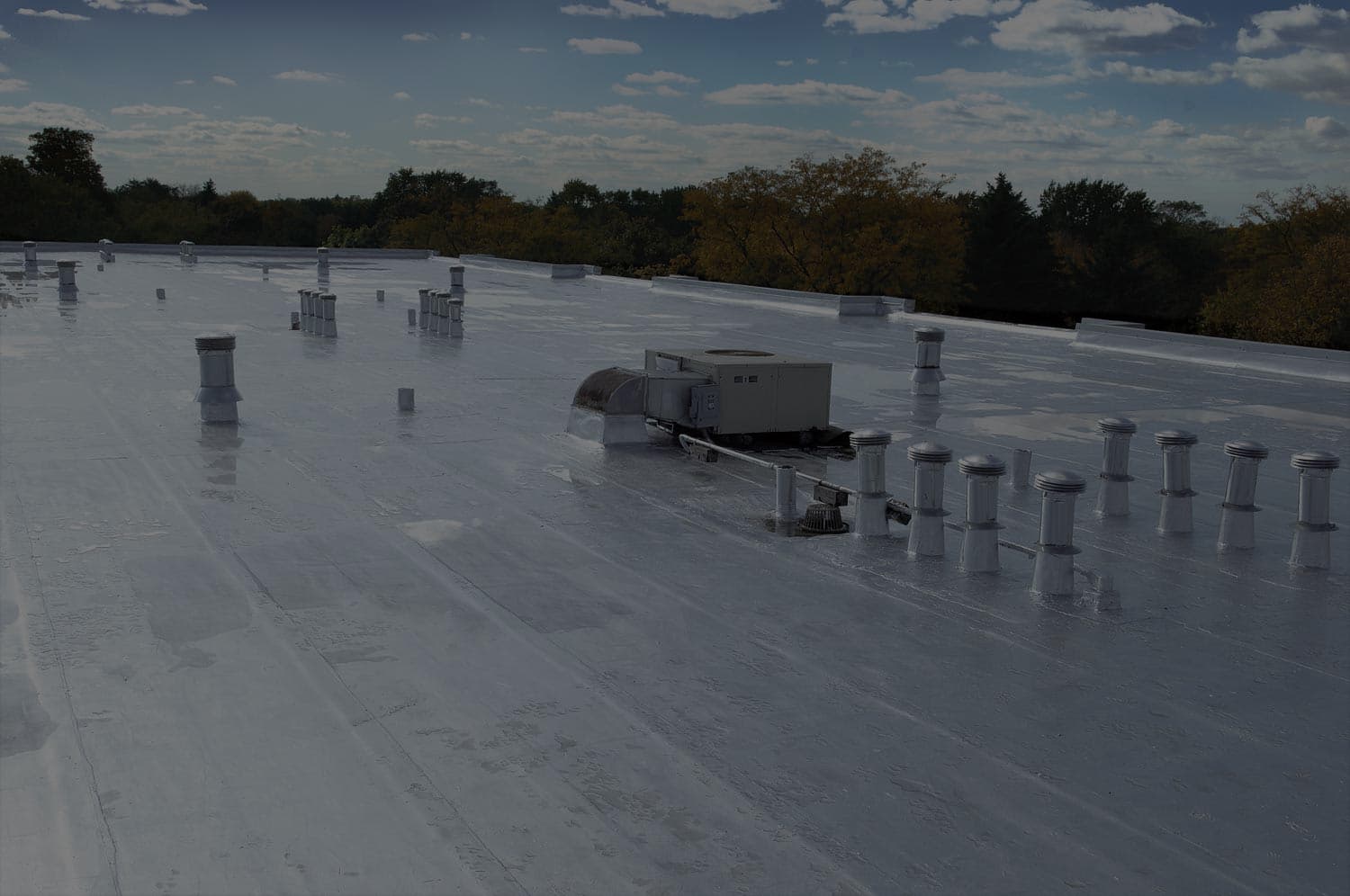
Silicone Roof Coatings: Revolutionizing Commercial Roofing for the Next 5 Years.

Explore how silicone restoration is changing commercial roof lifecycle planning for eligible low-slope and metal systems.

In the ever-evolving world of commercial roofing, one innovation is setting a new standard for durability, efficiency, and sustainability: silicone roof coatings . Over the next five years, this game-changing technology is poised to reshape the commercial roofing industry.

Whether you're a building owner, facility manager, or contractor, understanding the benefits and future potential of silicone roof coatings will help you stay ahead of the curve.

What Are Silicone Roof Coatings?

Silicone roof coatings are high-performance, liquid-applied systems that are spread over existing roofs to enhance their durability and weather resistance.

Made from synthetic rubber, silicone coatings form a seamless, waterproof membrane that bonds to the roof surface, offering superior protection against water damage, UV rays, and harsh weather conditions. Silicone is particularly effective for flat or low-slope roofs , which are more vulnerable to leaks and damage.

Why Silicone Is the Future of Commercial Roofing

1. Longevity and Durability

One of the most attractive qualities of silicone roof coatings is their impressive lifespan. Unlike traditional roofing materials that may degrade over time due to UV exposure, silicone coatings are UV-resistant, preventing cracking, chalking, and deterioration.

As a result, roofs coated with silicone can last 15-20 years or more, dramatically extending the lifespan of the existing roof.

As more businesses look for ways to reduce maintenance costs and maximize the value of their assets, silicone coatings will become the go-to solution for increasing roof longevity without the need for a full roof replacement.

2. Energy Efficiency

With growing emphasis on energy efficiency and reducing carbon footprints, silicone coatings are a game-changer. These coatings reflect up to 90% of the sun's UV rays, reducing the heat absorbed by the building. This results in a cooler roof, which can significantly lower cooling costs during hot months.

In an era where energy-efficient buildings are not only preferred but also often mandated, silicone roof coatings will provide a simple and effective solution for businesses looking to enhance their sustainability efforts.

3. Waterproofing and Leak Prevention

The ability of silicone coatings to form a seamless, waterproof barrier is unmatched. Once applied, silicone coatings create a continuous membrane that eliminates gaps and seams that often lead to leaks. The coatings are also highly resistant to ponding water, which is a common issue on flat roofs.

As more commercial building owners aim to protect their property from costly water damage, silicone coatings will be increasingly sought after for their superior waterproofing capabilities. The reduction in leaks and water damage alone makes this solution invaluable for businesses.

4. Cost-Effective Solution

In the next five years, businesses will be seeking more cost-effective alternatives to traditional roof replacements. Silicone coatings offer a lower upfront cost than tearing off and replacing an entire roof, making them a more affordable option for building owners.

Additionally, the long-term savings associated with reduced energy consumption and fewer repairs further enhance the economic appeal of silicone coatings.

Rather than investing in a complete roof replacement, more companies will opt for silicone roof coatings as a smart, cost-saving alternative that extends the life of their roofs.

5. Environmentally Friendly

Building owners are placing more value on lower-waste projects. Restoring an eligible roof can keep usable material out of landfills. A reflective coating may also reduce heat gain. Product emissions, energy results and environmental claims should be confirmed for the selected system and building.

With environmental regulations becoming stricter and the push for sustainable construction growing stronger, silicone roof coatings are well-positioned to meet these demands, making them a crucial component in the future of commercial roofing.

The Road Ahead: What to Expect in the Next 5 Years

Silicone coatings will likely remain an important option for eligible commercial roofs. New products may improve adhesion, weather resistance and application methods. Better tools can also help crews document preparation and installed coverage. Those gains may reduce project time and disruption.

Demand for energy-efficient buildings is also growing. Some owners may consider a coating as part of a broader sustainability plan. A roof product alone does not earn a green-building certification. The full project must meet the program's rules and documentation requirements.

Why You Should Consider Silicone Roof Coatings Now

Owners want roofs that control water, last longer and cost less to maintain. Silicone may help when the existing assembly is dry, sound and compatible. The right time to evaluate it is before repeated leaks or broad damage remove restoration from the options.

If you're considering a roof upgrade or looking to extend the life of your existing roof, it's time to consider silicone roof coatings. With their exceptional waterproofing properties, energy efficiency, and long lifespan, they will undoubtedly be a cornerstone of commercial roofing innovations over the next five years.

In conclusion, silicone roof coatings are not just a passing trend—they represent the future of roofing. Over the next five years, we’ll see their widespread adoption across the commercial sector as businesses look for smarter, more sustainable ways to protect their properties and reduce costs.

Don’t wait—explore the potential of silicone roof coatings today and secure your roof’s future for the long haul.

Commercial decision guide · Reviewed August 31, 2026

What silicone changes—and what it does not.

The next stage of commercial silicone roofing should be judged by better qualification and documentation, not by claims that one coating will replace every roof system. Silicone can be a useful restoration finish for certain low-slope and metal assemblies after moisture, substrate, drainage, adhesion, repairs, and details are addressed. Over the next several years, the most credible progress will likely come from more disciplined screening, clearer field records, and stronger comparison with repair and replacement.

01 / field guide

Qualification will matter more than product enthusiasm

As more commercial teams consider restoration, weak candidate selection becomes easier to recognize. A sound program begins with the existing assembly, moisture, deck and insulation condition, drainage, prior coatings, adhesion, seams, penetrations, fasteners, and repairs. Silicone is a finish within a system, not a structural layer or a way to conceal wet material. Roofs that cannot support a reliable restoration should move to another condition-based path.

Better screening also improves commercial comparisons. A coating proposal that excludes moisture work, major details, or surface preparation may look inexpensive beside a replacement scope that includes those conditions. Owners should require both alternatives to state measured areas, verified findings, repair assumptions, testing, access, and closeout. When the same roof facts appear in each proposal, restoration can be evaluated as a lifecycle choice instead of a promotional shortcut.

02 / field guide

Field documentation will become part of the product

Digital photographs, mapped repairs, weather records, material batches, adhesion results, and coverage observations can give owners a clearer installation record. These tools do not make workmanship automatic, but they help connect the written specification to field activity. A useful record shows the surface before preparation, repaired conditions, completed details, installed areas, and exceptions. It should be organized so a facility team can use it after the crew leaves.

Measurement and reporting tools may also improve estimating and change control. They should support field verification rather than replace it. A roof image cannot establish concealed moisture, deck soundness, or adhesion, and automated quantities still need review around curbs, walls, equipment, and irregular areas. The practical advance is a shared record in which contractor, installer, manufacturer, and owner can distinguish measured facts from estimates and later revisions.

03 / field guide

Lifecycle planning will replace simple tear-off comparisons

Commercial owners increasingly compare initial cost with disruption, maintenance, remaining assembly condition, energy goals, warranty duties, and ownership horizon. Restoration can keep serviceable materials in place and avoid some removal on an eligible roof, but it also creates future inspection and maintenance responsibilities. Replacement can reset more of the assembly while adding removal and operational complexity. Neither path is automatically the more sustainable or economical choice for every building.

Reflective coatings may reduce surface heat, yet utility savings depend on the full building. Waste reduction claims should be tied to actual material retained and removed. Service-life expectations should come from the selected system, roof condition, installed scope, environment, maintenance, and written warranty rather than a universal number. Over the next five years, credible providers will likely benefit from narrower claims supported by stronger building-specific evidence.

04 / field guide

Contractor capability will shape responsible growth

Growth in silicone restoration requires crews and account teams who understand candidate screening, compatible repair materials, cleaning, detail work, application conditions, coverage control, safety, and closeout. Training should teach when to stop and request more information, not only how to sell or spray a coating. Contractors that do not maintain a coatings operation may use a qualified fulfillment relationship, but the project roles and customer claims still need written control.

Procurement teams can prepare by standardizing the information they request: assembly records, moisture findings, repair quantities, adhesion requirements, details, specified coverage, exclusions, weather plan, quality records, warranty path, and maintenance. They should also confirm who will perform and document each step. Technology and products will change, but these controls remain useful because they keep the decision attached to the commercial roof rather than the excitement around a forecast.

Straight answers

Common commercial questions.

Will silicone coatings replace commercial roof replacement?

No. Silicone restoration is one option for eligible assemblies. Widespread moisture, failed decking, structural concerns, incompatible surfaces, extensive deterioration, or project requirements can make replacement or another scope more appropriate. Qualification should determine the path rather than a prediction about the market.

What silicone-roofing improvements are reasonable to expect?

Products, primers, application equipment, measurements, and field documentation may continue to improve. Specific performance must still be verified from current manufacturer information and the accepted project specification. New technology does not remove substrate preparation, repair, testing, or installation requirements.

Will a future silicone system guarantee energy savings?

No coating can guarantee whole-building savings from reflectivity alone. Climate, insulation, roof geometry, HVAC equipment, controls, occupancy, and rates affect results. Owners should use current product data and building-specific analysis when energy performance is an important project objective.

How can a facility team prepare for a restoration evaluation?

Collect roof plans, age and system information, leak history, repair and warranty records, interior observations, photos, access requirements, equipment information, operating constraints, and ownership goals. A complete starting record helps the evaluator identify needed testing and compare alternatives on consistent facts.

CallCommercial assessment