
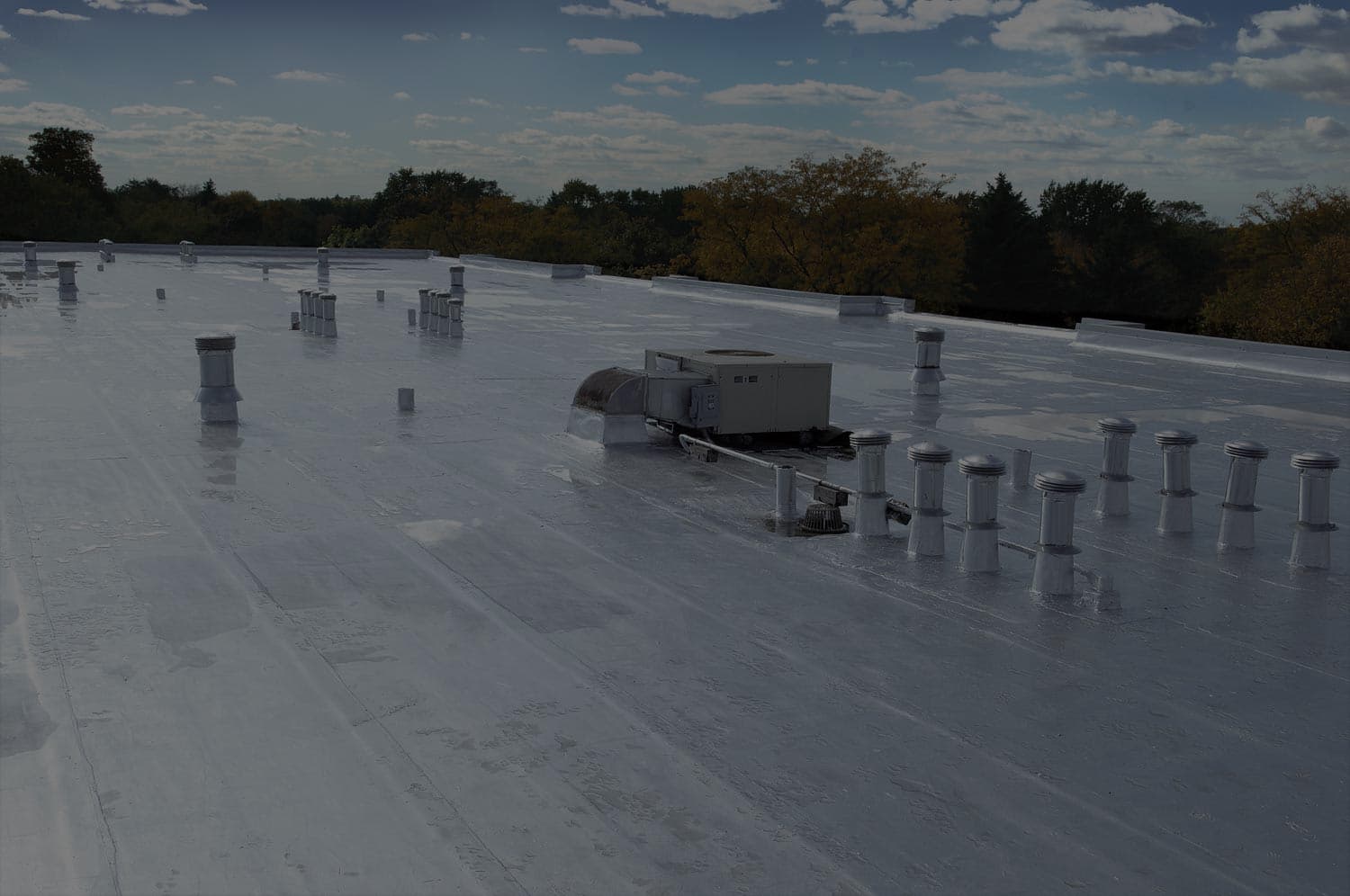
TPO Roofing: Unleashing the Power of Thermoplastic Olefin for Commercial Buildings

Understand TPO commercial roof assemblies, installation details and when repair, restoration or replacement may be appropriate.

TPO is a complete commercial roof assembly—not only a white membrane.

Thermoplastic polyolefin, commonly called TPO, is a heat-welded single-ply membrane widely used on low-slope commercial buildings. The exposed sheet is only one part of the system. Deck condition, vapor control, insulation, cover board, attachment, perimeter securement, flashings, penetrations and drainage all influence performance.

Why commercial teams consider TPO.

A properly specified TPO assembly can provide a reflective surface, welded seams and a practical path for new construction, recover or replacement projects. Product thickness, reinforcement, attachment method and manufacturer requirements should be compared as part of the full specification rather than reduced to membrane color or a price per square foot.

Installation details control the result.

Seam preparation and welding, curb and penetration flashings, edge metal, rooftop traffic, drain transitions and daily weather protection require documented field execution. Occupied facilities also need a plan for access, staging, noise, odors, interior protection and continuity of operations.

TPO versus repair or restoration.

Not every aging commercial roof requires full replacement. Localized defects may support a repair program, while a dry and compatible existing assembly may qualify for restoration. Widespread moisture, failed insulation, deck concerns or systemic deterioration can make replacement the responsible path. Accurate evaluates the existing roof before recommending the system.

Commercial decision guide · Reviewed August 31, 2026

A field-grounded guide to commercial TPO.

Thermoplastic polyolefin, usually called TPO, is a heat-welded single-ply membrane used in low-slope commercial roofing. The white sheet visible from above is only one part of the assembly. Deck, vapor control, insulation, cover board, attachment, perimeter securement, flashings, penetrations, seams, and drainage all influence performance. A useful TPO decision therefore begins with the building and complete specification, not a membrane name or price per square foot.

01 / field guide

Understand the complete TPO assembly

TPO sheets are joined with heat-welded seams, but the installation method around and beneath the membrane matters just as much. Assemblies may be mechanically attached, adhered, or designed through another accepted specification. Insulation layers, cover board, fastener patterns, adhesive, perimeter zones, and deck type affect wind response, traffic tolerance, energy performance, and repairability. Thickness or color alone cannot tell an owner whether two proposals are equivalent.

Flashings connect the field membrane to curbs, walls, pipes, drains, edges, and other transitions. These locations must accommodate movement while maintaining a watertight connection. Roof slope and drainage affect how quickly water leaves the surface, while rooftop equipment and service traffic create additional demands. The contract documents should identify the selected products, assembly layers, attachment, details, tested or approved design basis, and parties responsible for penetrations or equipment work.

02 / field guide

Evaluate an existing TPO roof from evidence

An inspection should map open or suspect seams, punctures, surface damage, flashings, edge conditions, drains, scuppers, curbs, repairs, and traffic areas. Interior stains and leak history provide useful context, but water may travel within the assembly before becoming visible. The evaluator should distinguish a localized membrane defect from moisture, attachment, drainage, or substrate conditions that affect a broader area. Prior repair materials also need a compatibility review.

The visible membrane cannot confirm the condition of insulation or deck. Moisture scanning, test cuts, pull testing, or targeted openings may be appropriate depending on the decision and existing records. Wet materials, deteriorated deck, loose attachment, and unknown layers can change whether repair, recover, or replacement remains practical. Findings should be mapped and quantified so the owner understands what is confirmed, what is assumed, and what may require an allowance or change process.

03 / field guide

Compare repair, recover, and replacement

A compatible welded patch or flashing repair may address an isolated defect when the surrounding membrane and assembly remain serviceable. A repair program can also address several documented details while the owner plans longer-term work. Repeated seam problems, widespread damage, trapped moisture, poor attachment, failing insulation, or deck concerns can make isolated repairs less dependable. The recommendation should connect the proposed limits to the condition map rather than relying on roof age alone.

A recover can add a new system over eligible existing construction, but code, weight, moisture, attachment, compatibility, and manufacturer requirements must be evaluated. Replacement allows unsound materials to be removed and the assembly to be redesigned, yet it brings more removal, staging, and operational planning. Each option should show measured quantities, exclusions, insulation strategy, drainage work, details, access, temporary protection, warranty path, and concealed-condition assumptions.

04 / field guide

Control installation, operations, and maintenance

TPO installation depends on field execution. Seam areas must be prepared and welded within accepted settings, flashings must follow the specified geometry, and daily work must remain protected from weather. Fasteners, adhesive, edge securement, and details should be observed and documented as required. An occupied commercial building also needs plans for entrances, parking, deliveries, odors, noise, rooftop equipment, interior protection, and communication when conditions interrupt the schedule.

After completion, facility teams should control roof access, keep drainage paths clear, document new penetrations, and inspect reported damage promptly. Other trades should not cut or attach through the system without an approved detail and coordination with responsible warranty contacts. Maintenance does not guarantee a result, but it preserves a record and gives small conditions a chance to be addressed before they spread. Service availability and project scope must be confirmed for the specific commercial address.

Straight answers

Common commercial questions.

What is TPO commercial roofing?

TPO is a thermoplastic single-ply membrane whose field sheets and many details are joined with heat-welded seams. A TPO roof also includes the deck, insulation, cover board when specified, attachment, flashings, perimeter securement, penetrations, and drainage that form the complete commercial assembly.

Can a leaking TPO roof be repaired?

Many localized defects can be repaired with compatible materials and proper preparation when the surrounding assembly remains serviceable. The leak path, membrane condition, moisture, insulation, deck, attachment, and previous repairs must be evaluated before a patch is treated as a complete solution.

Does a white TPO membrane guarantee lower energy costs?

No. A reflective surface can reduce absorbed solar heat under some conditions, but whole-building results depend on climate, insulation, roof geometry, equipment, occupancy, controls, and operations. Product data and a building-specific analysis are better evidence than a guaranteed savings claim.

How should commercial TPO proposals be compared?

Compare the full assembly, measured area, membrane and insulation, attachment, cover board, perimeter, flashings, drains, equipment details, removal, access, safety, temporary protection, warranty requirements, exclusions, and concealed-condition process. Similar membrane labels can still describe materially different scopes.

CallCommercial assessment