
Building and roof
Share the commercial property type, roof system if known, approximate size and whether the concern is a leak, visible damage, an aging assembly, a price-stalled replacement or a restoration opportunity.
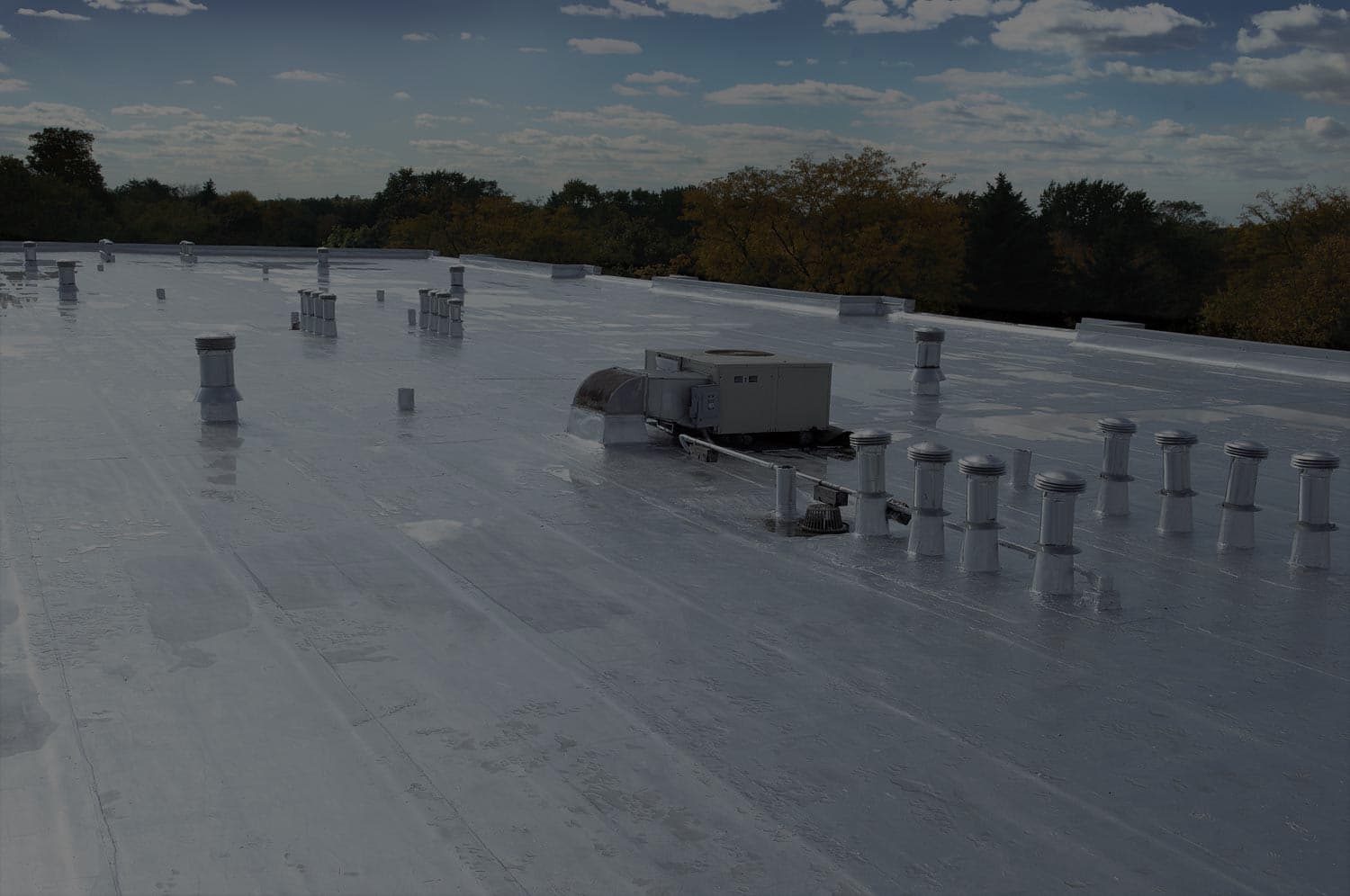
Commercial roofing
Send the building address, known roof system and business objective. We will route the request to the appropriate Texas or Oklahoma commercial team.
Direct office lines
Use the Texas line for East Texas and Tyler-area buildings, or the Oklahoma line for Grove and the Grand Lake region. Include the exact commercial address so coverage and scheduling can be confirmed.
What helps us respond
Share the commercial property type, roof system if known, approximate size and whether the concern is a leak, visible damage, an aging assembly, a price-stalled replacement or a restoration opportunity.
Describe occupancy, access restrictions, active water entry and any business-continuity requirements. Do not access a wet, damaged or unsafe roof.
The team will confirm direct coverage, collect any missing records and explain whether an evaluation, documentation review or contractor-partner handoff is appropriate.
Commercial decision guide · Reviewed August 31, 2026
A useful commercial roofing request starts with the building, the roof and the business objective. Send the exact address, property use, known system, approximate size and current concern so Accurate can route the inquiry to the East Texas or Grove and Grand Lake, Oklahoma team when applicable. Coverage, evaluation method and scheduling are confirmed from the project facts rather than from a broad state or city label.
Identify whether the property is retail, office, industrial, hospitality, institutional, storage or another commercial use. Include the roof type if known, approximate age, prior repairs and available warranty or construction records. Photographs of interior symptoms and safely obtained exterior conditions can help, but unknown details should remain marked as unknown until verified.
Explain the requested outcome. The team needs to know whether the inquiry concerns active water entry, recurring repair, an aging assembly, a planned capital project, a price-stalled replacement or possible silicone restoration. Different objectives require different records and resources, so a clear reason for contact improves routing before a field visit is discussed.
For active water entry, note when it began, interior locations, recent weather and any steps already taken. Protect people, equipment and contents when it is safe to do so. Do not climb onto a wet, damaged or unfamiliar roof. Electrical hazards, unstable ceilings or other unsafe conditions require the appropriate emergency response beyond a website form.
A leak location inside does not prove the entry point above it. Water may travel through insulation or along structural components, and mechanical or condensation conditions can resemble roof leakage. Accurate documentation allows the field team to investigate the surrounding assembly rather than accepting an unverified diagnosis supplied in the initial message.
An evaluation may review seams, fasteners, flashings, penetrations, drainage, perimeter details, rooftop equipment and accessible interior evidence. Moisture testing, core information or adhesion testing may be appropriate when repair limits or silicone eligibility cannot be established visually. The next step depends on the system and question, not on one standard inspection script.
Commercial building operations also affect the plan. Share occupied hours, access restrictions, security procedures, tenant concerns, sensitive inventory and rooftop equipment coordination. These details help determine who should attend, what safety or access preparation is required and how any later repair or production scope can protect continuity below the roof.
Use the Texas contact path for buildings in the documented East Texas and Tyler region, and the Oklahoma path for Grove and Grand Lake area properties. The commercial address remains essential because travel, roof system, project size and current schedule affect availability. A submitted form is a request for review, not a confirmed appointment.
Roofing contractors should identify themselves and describe any active price-stalled commercial replacement. The contractor-partner process separately reviews the company, territory, roof and production fit. No partnership, customer-facing silicone promise or project price exists from the contact form alone; accepted responsibilities and economics must be documented in writing.
Straight answers
Include the building address, property use, known roof system, approximate size, concern, timing and available photographs or records. Also describe access restrictions and occupied operations so the team can route the inquiry and identify missing information.
The Texas line supports the documented East Texas and Tyler region. The Oklahoma line supports Grove and the Grand Lake area. Provide the exact address so direct coverage and current availability can be confirmed.
Remote records may support preliminary screening, but hidden moisture, deck condition, adhesion, drainage and detail quantities can require field verification. Final scope and price depend on the accepted project information and any stated assumptions.
No. Submission sends the information for review. The team must confirm service coverage, appropriate evaluation path and schedule. Contractor-partner applications and warranty concerns also follow their own review processes.