
Assess
We document the assembly, moisture, drainage, details and operational constraints.
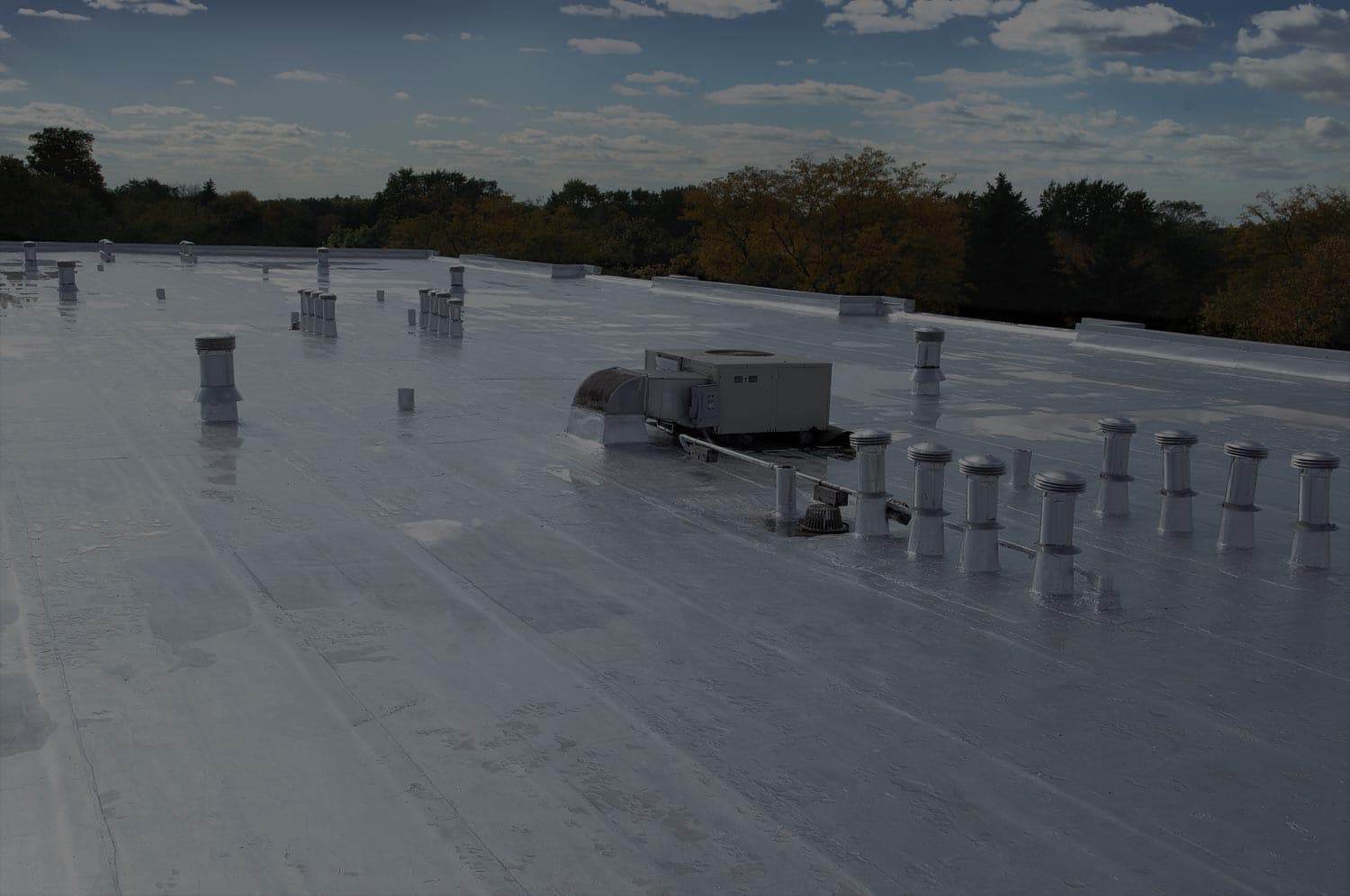
Texas + Oklahoma · Since 2007
Repair, replacement and silicone restoration engineered around real buildings, operating constraints and long-term cost.
Commercial roof decisions
One commercial team to document the condition, compare viable paths and execute the selected system.
Explore commercial systemsCommercial Roof RepairCondition-based leak repair, detail work and maintenance for occupied commercial buildings.Learn more  Commercial Roof SystemsTPO, PVC, EPDM, modified bitumen and metal systems designed around the building and hold period.Learn more
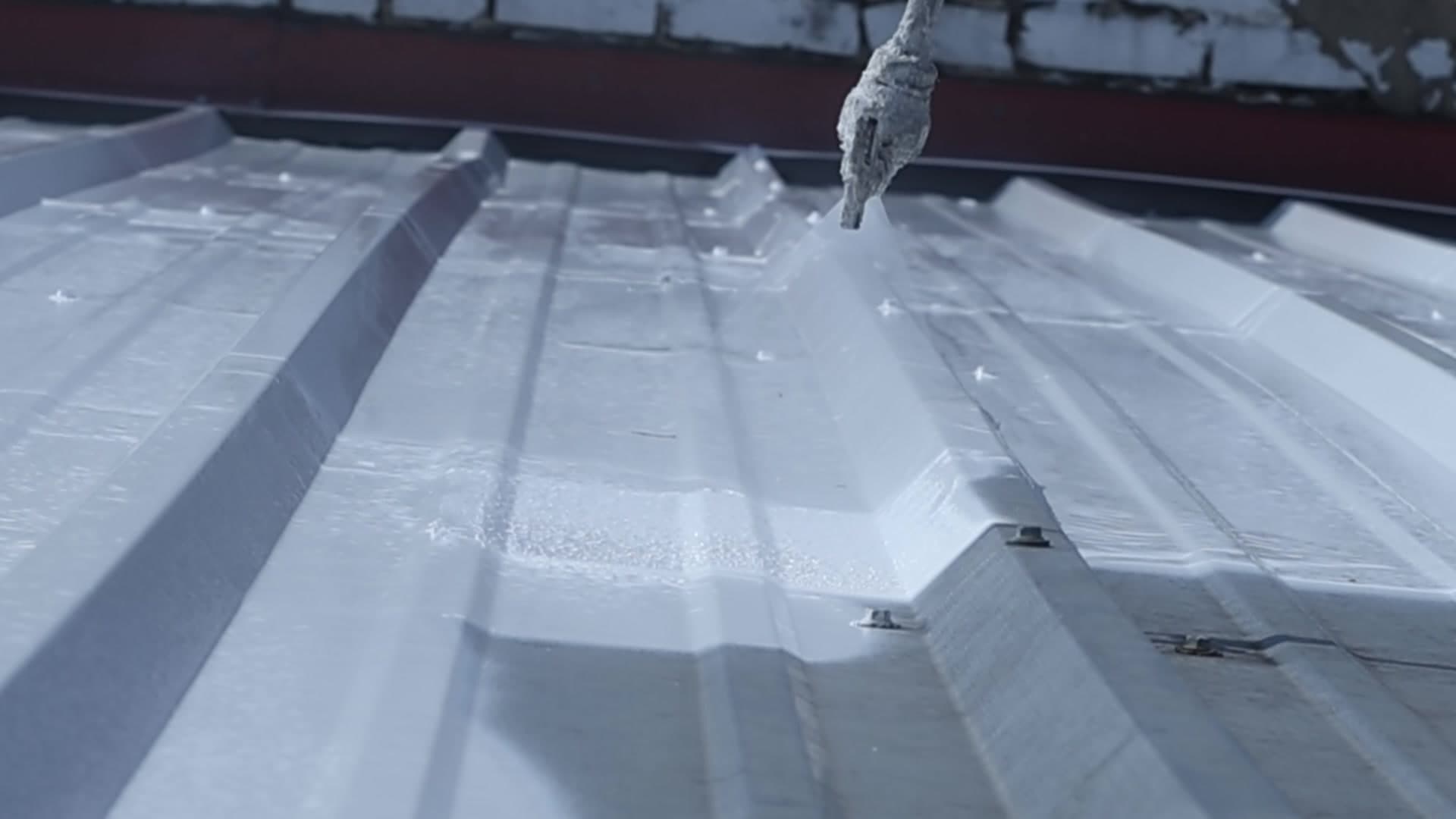 Silicone Roof RestorationA lower-capital alternative to tear-off for eligible flat and metal commercial roofs.Learn more
Commercial roof guide library
Use the service hubs to compare commercial repair, restoration and replacement considerations across Texas and Oklahoma. Direct availability is always confirmed by building address.
Commercial field work
Watch Accurate crews apply a fluid-applied system and review a completed commercial metal roof from above.
Proven. Commercial. Accountable.
Founded in 2007, Accurate Roof Systems now focuses on commercial metal, single-ply, modified bitumen and fluid-applied assemblies. The team coordinates each accepted scope around access, occupancy and business continuity.
See Accurate Roof Systems' complete, unedited review history on Google.
The Accurate process
We document the assembly, moisture, drainage, details and operational constraints.
You receive a clear repair, restoration or replacement path based on roof condition.
Our commercial team coordinates production, documentation and final closeout.
Commercial decision guide · Reviewed August 31, 2026
Accurate Roof Systems helps commercial building owners, facility teams and roofing contractors compare repair, silicone restoration and replacement from the condition of the existing roof. The process begins with the building address, known assembly, active concerns and operating requirements. Direct service is documented in East Texas and around Grove and Grand Lake, Oklahoma, with coverage confirmed for each address.
A stain inside a building does not identify the point where water entered. Water can move through insulation, along a deck or around rooftop equipment before it becomes visible. A useful evaluation connects interior observations with seams, flashings, penetrations, drainage, perimeter details and prior repairs instead of treating the first visible symptom as the complete problem.
The roof record should identify the exposed system and the components beneath it when they can be verified. Approximate age, attachment, insulation, deck, moisture, rooftop traffic and warranty documents can all affect the recommendation. Unknown conditions should remain clearly labeled as items for testing or field verification rather than being converted into confident assumptions.
Targeted repair may be appropriate when a defect is isolated and the surrounding assembly remains serviceable. A qualifying low-slope or metal roof may support silicone restoration after wet materials, incompatible surfaces and deficient details are addressed. Widespread moisture, failed insulation, deteriorated decking or systemic failure can point toward a broader replacement scope.
The responsible path is not automatically the option with the lowest opening price. Commercial teams should compare measured inclusions, expected disruption, maintenance, remaining service life, manufacturer requirements and concealed-condition assumptions. A proposal is easier to evaluate when it explains why a path fits the observed condition and which findings could change the final scope.
Commercial roof work can affect entrances, parking, inventory, tenants, equipment and normal operating hours. Project planning should define access, staging, safety controls, temporary water protection, daily dry-in expectations and communication responsibility. These items are part of the roofing decision because even a technically sound system can create avoidable risk when production ignores the occupied building.
Owners and facility managers should identify sensitive areas before work begins. Food service, manufacturing, healthcare, retail, office and storage uses can require different sequencing and interior protection. Weather contingencies, rooftop equipment coordination and the process for concealed conditions should be written into the accepted scope instead of being left to an informal jobsite conversation.
Accurate publicly documents direct commercial operations in East Texas, including the Tyler area, and northeast Oklahoma around Grove and Grand Lake. The exact address, roof type, project size and current production schedule still determine availability. A city guide or website description is useful research, but it is not confirmation that a project has been accepted.
Roofing contractors can also submit commercial replacement opportunities that have stalled on price. If the roof, territory and production requirements fit, Accurate can evaluate a silicone restoration alternative and define a project-specific fulfillment scope. No restoration promise, partner price or responsibility allocation exists until the roof is qualified and the written project terms are approved.
A commercial roof decision can outlast the person who first reported the problem. Keep dated photographs, marked leak locations, inspection findings, measurements, repair history, product information, approvals and closeout records together. A usable record helps ownership, facility staff, tenants, insurers, manufacturers and contractors discuss the same roof without rebuilding the history from memory at every handoff.
The final recommendation should separate verified conditions from assumptions and explain what still requires field confirmation. It should also identify the accepted scope, exclusions, maintenance responsibilities and the process for concealed conditions. That clarity supports a fair repair, restoration or replacement comparison and gives the building team evidence it can use after the immediate sales conversation is over.
A fair comparison begins with common questions. Which assembly layers are included? How will wet insulation, damaged deck, drainage, penetrations and perimeter details be handled? Who controls access, safety, daily communication and weather protection? What documentation closes the project? Written answers expose differences that a single total price cannot show and help the owner compare actual scope rather than sales labels.
Also ask what is excluded and what would trigger a change. Roof area, test results, hidden conditions, equipment work, permits, code requirements and manufacturer review can affect the final plan. A responsible proposal states those dependencies without presenting preliminary information as certainty. The goal is a decision the commercial team can defend from the first evaluation through installation, closeout and future maintenance.
Straight answers
Accurate evaluates commercial low-slope and metal roofs for condition-based repair, replacement and eligible silicone restoration. The appropriate service depends on the existing assembly, moisture, drainage, details, building use and project objective. Contractor-partner fulfillment is a separate qualified path for accepted commercial opportunities.
No. Silicone eligibility depends on a sound and compatible assembly, manageable moisture, acceptable drainage, adhesion, repair needs and project-specific manufacturer requirements. Wet insulation, failed decking or incompatible materials must be addressed, and some roofs are better served by repair or replacement.
The documented direct regions are East Texas, including the Tyler area, and northeast Oklahoma around Grove and Grand Lake. Coverage is confirmed from the building address, system, project type and schedule before service is represented as available.
Start with the building address, property use, known roof system, approximate size, active leaks or other concerns, photographs and prior roof records if available. Include access limits, occupied hours and the business objective so the team can identify the appropriate next step.
Local crews. Regional reach.
The publicly documented service footprint is focused in two regions. Broader city decision guides are clearly labeled and require an address-level coverage check.
View service areasStart with the commercial building
Active leaks, an aging system, a price-stalled replacement or a restoration opportunity—send the address and known roof details so the commercial team can qualify the next step.