01 / field guideQualification begins below the visible surface
A commercial coating evaluation starts with the roof history and assembly. Records may identify the membrane, metal profile, insulation, deck, prior repairs, existing coatings, warranty status, and known leak areas. On the roof, the evaluator should document seams, fasteners, flashings, penetrations, curbs, perimeter details, drains, scuppers, and areas that hold water. Interior evidence can help connect a reported leak to the roof above, but stains alone do not establish the entry point.
Surface appearance cannot show every concealed condition. Depending on the roof and the proposed system, the evaluation may include moisture scanning, test cuts, adhesion testing, or other manufacturer-required checks. Wet insulation, unsound decking, loose material, incompatible coatings, and structurally deficient areas need a defined response. A coating should not be used to hide conditions that require removal, repair, engineering review, or a different roof strategy.
02 / field guidePreparation and details determine the installed scope
A defensible scope explains how the surface will be cleaned, dried, and prepared. It should identify repairs to open seams, splits, punctures, deteriorated flashings, loose fasteners, rusted metal, drains, penetrations, and transitions. Primer, reinforcement, fabric, sealant, or replacement materials may be required in specific areas. Those items should be connected to the selected manufacturer instructions and the verified substrate rather than described as a generic coating package.
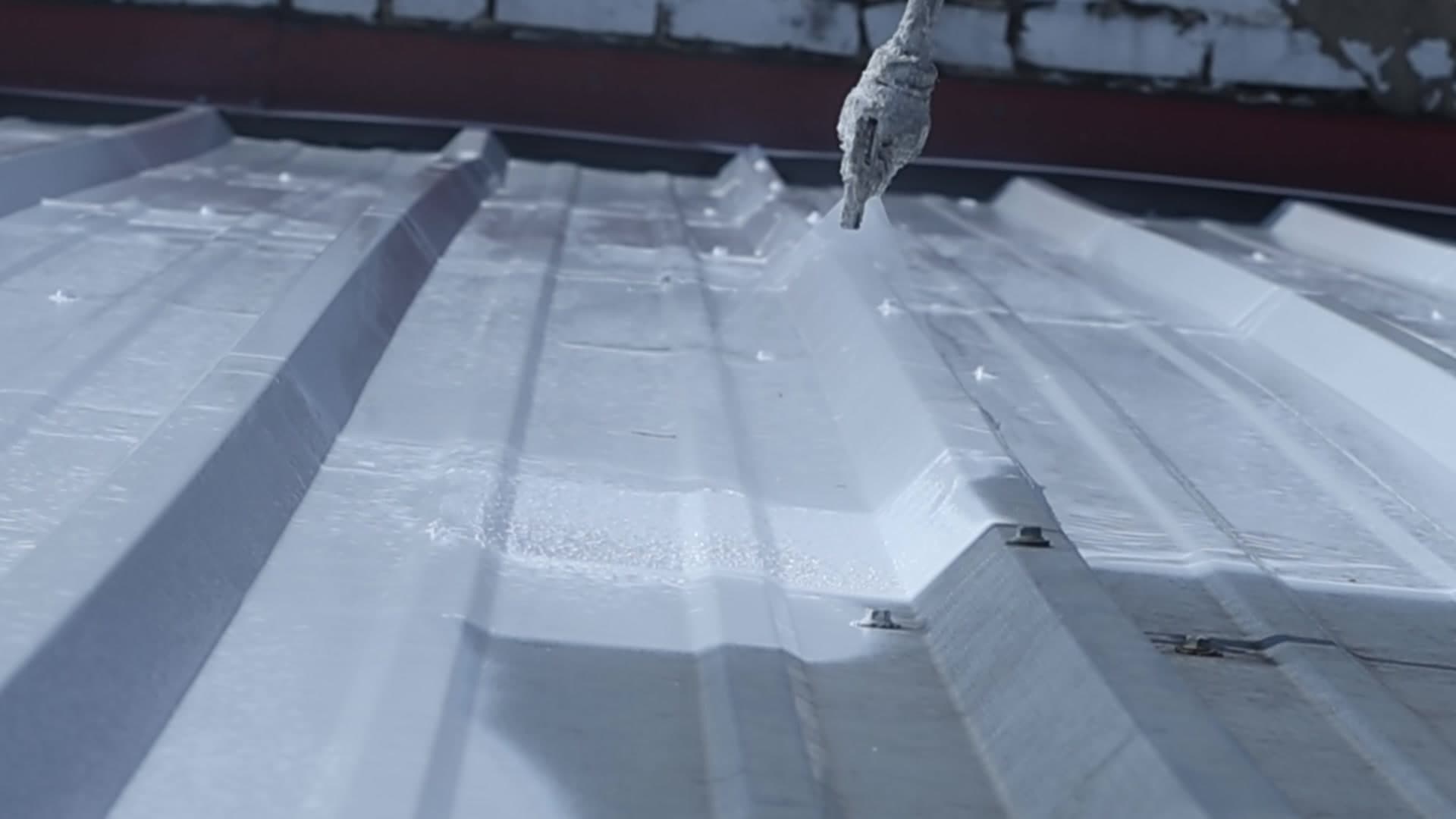
The proposal should state the accepted roof area, exclusions, repair quantities or allowances, application method, specified coverage, detail work, and quality-control records. Field conditions can change material use, so the closeout should document what was installed instead of relying only on an estimated pail count. Photographs, batch information, weather notes, wet-film or coverage checks, and a final review create a clearer record for the building team and installer.
03 / field guideCompare lifecycle and operating consequences
Restoration can avoid some removal when the existing assembly remains serviceable, but price alone does not establish value. Compare the accepted repair work, disruption, access, maintenance, expected use of the building, warranty obligations, and future replacement plan. A lower initial scope can become expensive if it excludes wet areas or recurring detail failures. A replacement proposal can also be excessive when the assembly is dry, stable, and repairable. The evidence should control the comparison.
Reflective roof surfaces may reduce roof-surface heat under some conditions, yet building energy results depend on climate, insulation, equipment, roof geometry, occupancy, and operations. Do not turn a product characteristic into a guaranteed utility saving. Environmental claims also need context. Keeping usable material in place may reduce tear-off waste, but project-specific quantities, product information, and the eventual roof plan should support any sustainability statement.
04 / field guidePlan installation around the commercial building
Occupied facilities require more than a product specification. The project plan should address roof access, fall protection, deliveries, staging, parking, rooftop equipment, air intakes, odors, noise, tenant communication, and daily weather protection. Coating work depends on acceptable surface and weather conditions, so the schedule needs a clear hold-and-restart process. The building contact should know who can approve concealed-condition work and how urgent water entry will be handled during production.
Closeout should identify completed repairs, installed system areas, unresolved conditions, maintenance expectations, and the contacts responsible for future questions. Drains and roof surfaces still need routine observation after restoration. Traffic, new equipment, other trades, storm damage, and neglected drainage can affect the system. Accurate Roof Systems confirms service availability, eligibility, final scope, and schedule for each commercial address; a web guide does not approve a roof or promise coverage.