
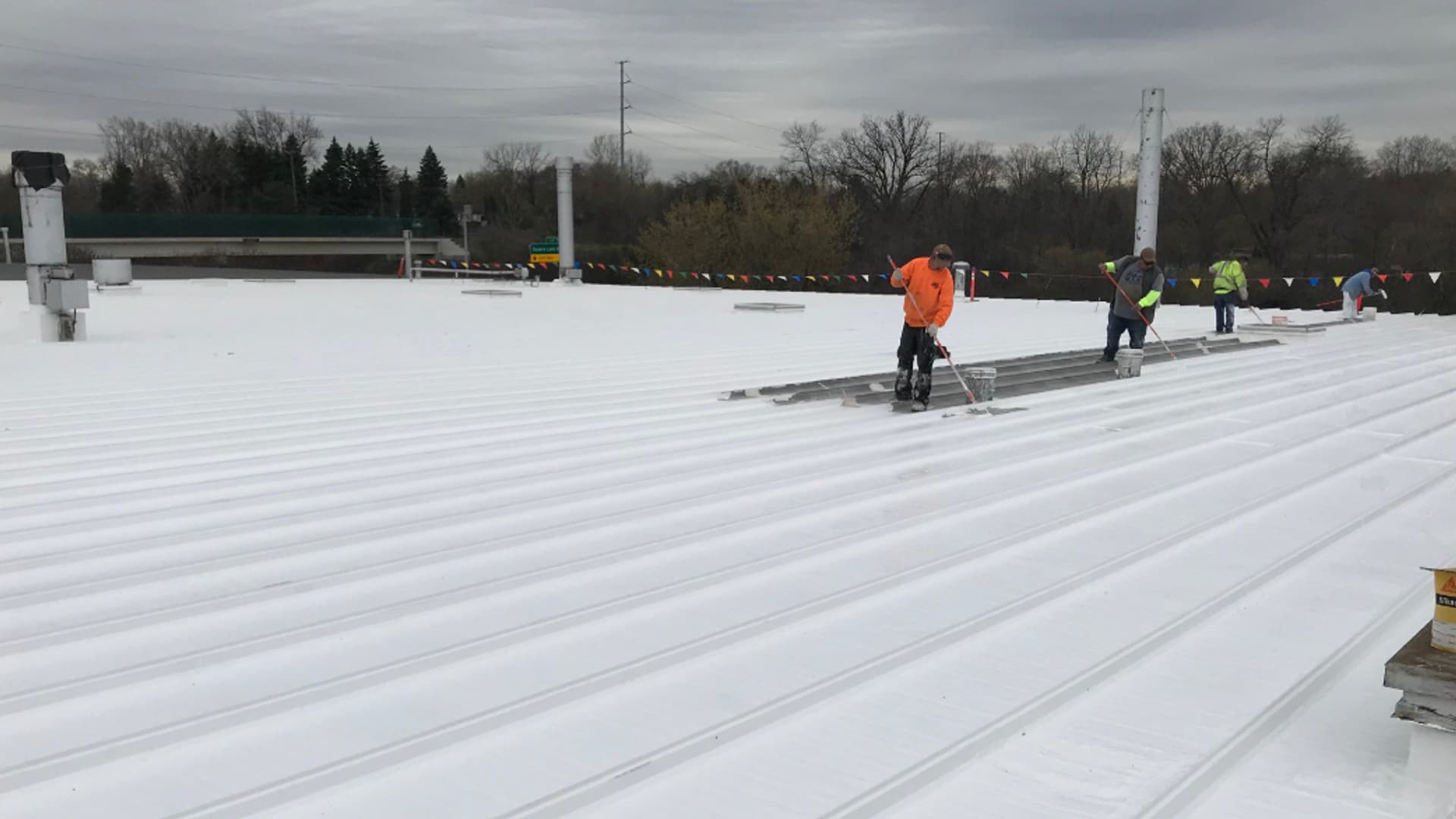
What to Expect in the Roofing Industry in 2025: Why Silicone Roofing is the Future for Commercial Buildings in Texas
As we move toward 2025, the roofing industry is undergoing significant shifts. Roofing business owners and commercial building owners are facing several challenges, including rising material costs, labor shortages, and an increasing demand for sustainable, durable roofing solutions.
As these pressures mount, one roofing material is rising above the rest — silicone roofing . This blog post will explore why silicone will be the future of commercial roofing, especially in Texas, and how it can help businesses navigate the hurdles of increased pricing and labor shortages.
The Future of Commercial Roofing: What to Expect in 2025
The roofing industry is not immune to the challenges of inflation, fluctuating material prices, and labor shortages. These factors are forcing roofing companies and commercial building owners to seek out more cost-effective, long-lasting, and low-maintenance roofing solutions.
As the demand for sustainable and energy-efficient materials grows, silicone roofing is becoming the clear choice for commercial buildings.
Why Silicone Roofing Is Poised to Dominate in 2025
1. Resilient and Long-Lasting
Silicone roofing membranes are known for their outstanding durability and resilience. Silicone roofs can withstand harsh weather conditions, including extreme heat, UV radiation, and heavy rainfall. This is particularly beneficial in Texas, where extreme temperatures and severe storms are common.
Silicone is also resistant to ponding water, a common issue with flat roofs, which significantly extends the roof’s lifespan and reduces maintenance costs.
2. Cost-Effective in the Long Run
While silicone roofing may have a slightly higher initial installation cost compared to traditional roofing materials, its long-term benefits make it an attractive investment for commercial building owners.
Silicone’s resistance to wear and tear, coupled with its low maintenance needs, means that building owners will save on costly repairs and replacements over time. Additionally, silicone roofs are highly energy-efficient, reducing cooling costs in hot climates like Texas.
Given the rising prices of materials and labor, this long-term savings is critical for business owners looking to keep expenses down.
3. Labor Shortages and Reduced Installation Times
The roofing industry is grappling with a shortage of skilled labor, making it increasingly difficult for roofing businesses to complete jobs on time and within budget. Silicone roofing offers a solution.
Because it’s applied as a liquid membrane, silicone roofing is easier to install compared to traditional roofing systems that require extensive labor for materials like asphalt or metal.
The application process is faster and less labor-intensive, allowing roofing companies to maximize efficiency even with a smaller workforce. This efficiency translates to reduced labor costs for commercial building owners and faster project completion.
4. Environmentally Friendly and Sustainable
In 2025, sustainability is becoming a key focus in commercial construction. Building owners are under increasing pressure to make eco-friendly choices. Silicone roofing is a green alternative due to its long lifespan and energy efficiency.
It reflects UV rays, reducing the amount of heat absorbed by the building and minimizing the need for air conditioning. This not only cuts energy costs but also contributes to reducing the carbon footprint of commercial properties.
For building owners looking to meet sustainability goals or achieve green building certifications, silicone roofing is a smart choice.
5. Seamless and Waterproof
Silicone roofing membranes are seamless, meaning there are no seams or joints where water can penetrate, unlike other roofing materials. This feature is especially important in Texas, where heavy rains and severe storms can wreak havoc on older roofs.
The seamless nature of silicone roofing helps prevent leaks and water damage, offering commercial property owners peace of mind. The waterproof properties of silicone are another reason why it’s quickly becoming the go-to choice for flat roofs.
The Texas Advantage: Why Silicone is the Best Choice for Commercial Roofing in the Lone Star State
Texas is known for its extreme weather conditions, from sweltering heat in the summer to unpredictable thunderstorms throughout the year. This climate places significant stress on commercial roofs, making it essential for building owners to choose roofing materials that can withstand these challenges.
Silicone roofing stands out for several reasons in the Texas market:
Heat Resistance: Texas experiences some of the highest temperatures in the country. Silicone roofing reflects UV rays and resists the extreme heat, ensuring that commercial buildings remain cool and energy-efficient even in the hottest months.
Waterproofing: With the frequent thunderstorms and the potential for heavy rains, commercial roofs in Texas need to be waterproof. Silicone roofing’s ability to prevent water penetration ensures that commercial buildings stay dry and protected.
Long-Term Savings: Texas businesses are feeling the pinch of rising operational costs, and the rising costs of roofing materials and labor are no exception. Silicone roofing provides a cost-effective solution for the long term, offering durability and low-maintenance benefits that reduce repair costs over time.
How Silicone Roofing Can Help Roofing Business Owners Thrive in 2025
For roofing business owners, adopting silicone roofing as a core offering can be a game changer in 2025. Not only will it allow your business to cater to the increasing demand for sustainable, energy-efficient roofing solutions, but it will also enable you to adapt to labor shortages and increasing material costs.
Boost Efficiency: With the ease of silicone roof installation, your roofing crews can complete more jobs in less time, allowing you to take on more projects and increase revenue.
Differentiate Your Business: As more commercial building owners search for eco-friendly and cost-effective solutions, silicone roofing provides a unique selling point that can set your business apart from competitors.
Fewer Callbacks: Silicone roofing’s durability and resistance to leaks and damage reduce the likelihood of future callbacks, which can eat into profits and drain valuable resources.
Conclusion: The Future of Roofing Is Silicone
As we look ahead to 2025, the commercial roofing industry in Texas is at a crossroads.
With rising material prices, labor shortages, and increasing demand for sustainable solutions, building owners and roofing contractors alike need to embrace roofing systems that offer both short-term savings and long-term reliability.
Silicone roofing is the solution that meets these needs, offering a durable, cost-effective, and eco-friendly option for commercial buildings.
For roofing business owners, investing in silicone roofing expertise can help you stay competitive in a changing market. For commercial building owners, silicone roofing is a smart investment that will save money, reduce maintenance headaches, and provide peace of mind in the face of Texas’ extreme weather conditions.
As silicone roofing continues to gain traction, make sure your business is ready to capitalize on this trend. Whether you're installing or maintaining commercial roofs, 2025 is the year to embrace the future of roofing.